
Soil degradation
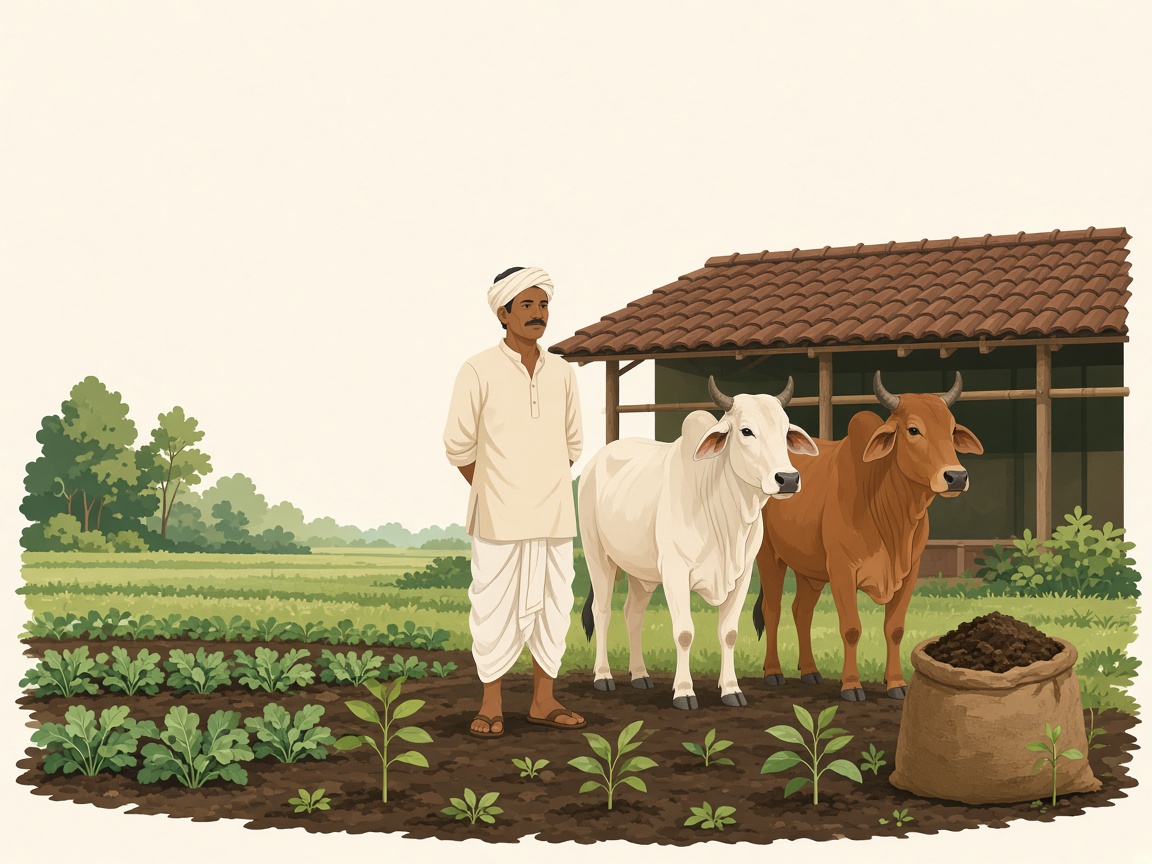
Years of heavy chemical-fertiliser use have degraded soils across India. Productivity has fallen with that decline in soil condition.
About
Agriculture is the backbone of the Indian economy. More than 56% of the population depends on it, and more than 86% of farmers are marginal, working around two acres or less. The company name comes from that reality: to raise income and soil carbon for the farmers who hold the smallest plots.
What we do
We are manufacturers, not traders. Cattle dung and biodegradable agricultural waste are converted through a controlled fermentation — the Bio Dynamic Converter process — into stable, humified organic matter. That material is Neohumus.
Every batch is produced under an ISO 9001:2015 quality system across two plants, both named on our organic and ISO certificates, and analysed by accredited laboratories. Composition is verified by ICAR-IARI, New Delhi; bioactive fractions by SIGIL laboratory under ISO method.
The inputs rebuild soil organic carbon — the property that governs fertility, water retention and root development. The category is formally recognised under the Fertiliser (Control) Order, Schedule VIII, February 2025.
The problems
Agriculture is the backbone of the Indian economy, and more than 56% of the population depends on it. More than 86% of farmers are marginal, with around two acres or less. The company name — 2Acres Agritech — comes from the aim of raising their income with a chemical-free organic manure, and of improving their land by rebuilding soil carbon so productivity rises over the long run.
Years of heavy chemical-fertiliser use have degraded soils across India. Productivity has fallen with that decline in soil condition.
Organic carbon is essential to soil health. It improves aeration, water drainage and retention, and reduces the risk of erosion and nutrient leaching.
Chemical fertilisers and pesticides used above prescribed limits have serious effects on human health, including a higher risk of cancers and neurological disease.
Cows have long been central to the Indian rural economy. Our principal raw material is cow dung, so production supports the animals and the goshalas that hold them.
Fertiliser is a major share of farm input cost. Chemical fertiliser prices have almost tripled in recent years, while the government subsidy has risen to ₹2.5 lakh crore. At those costs, farming cannot stay profitable and farmers’ lives cannot improve.
Capability
Plant 1 — Noida
Plot #7, Sector 94, Gautam Buddha Nagar, Noida, Uttar Pradesh 201313
Named on our UK Cert Organic and ISO 9001:2015 certificates.
Plant 2 — Delhi
Ghazipur Village, Delhi — 110091
Named on our UK Cert Organic and ISO 9001:2015 certificates.
25 kg bags for head-load and hill terrain, and 900 kg big bags for road-accessible depots. Liquid in 1 litre bottles.
Manufacture under ISO 9001:2015 with batch-level traceability. Combined plant capacity of 400 tonnes of organic manure per month.
Empanelled as a bio-fertilizer vendor with HIL (India) Limited, a Government of India enterprise, following an Expression of Interest process.
How it works
Cow dung becomes Neohumus in fourteen days.
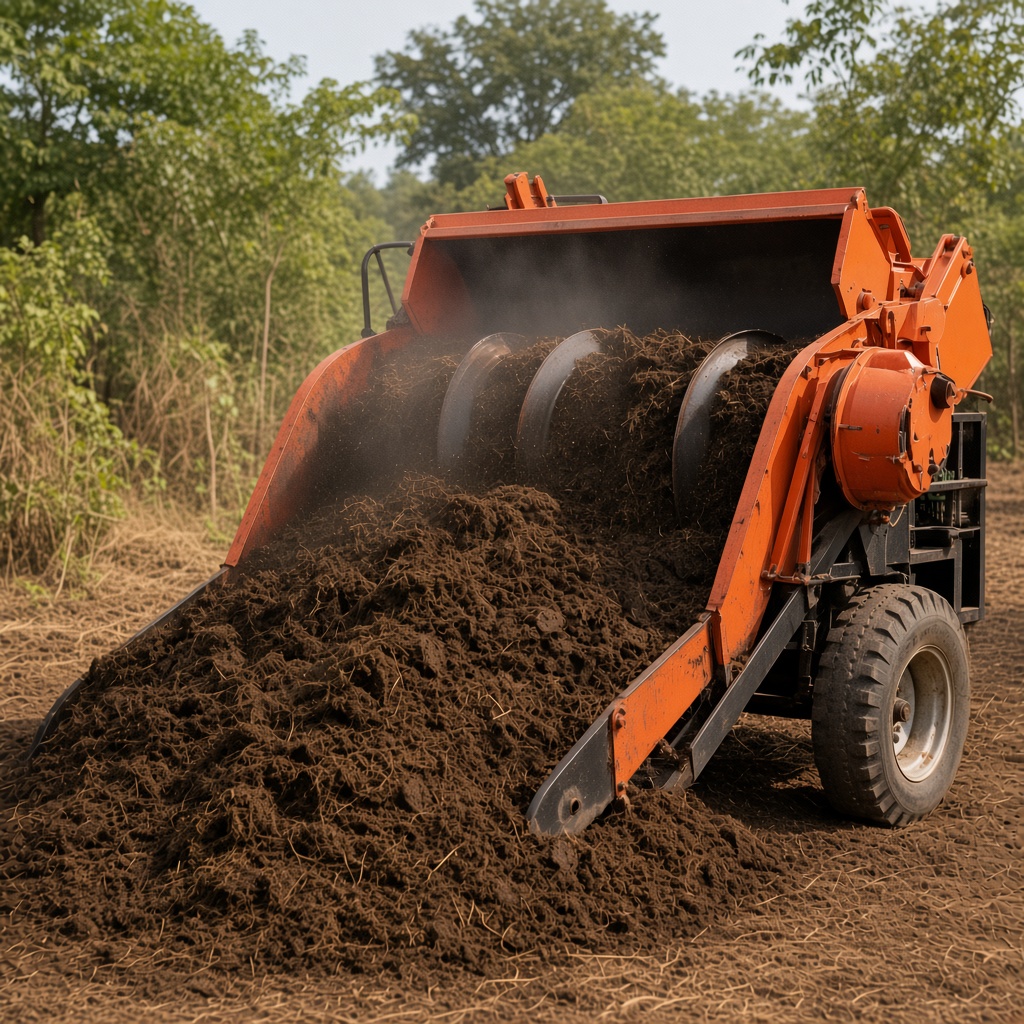
Cow dung is mixed in an agitator and a starter is added.
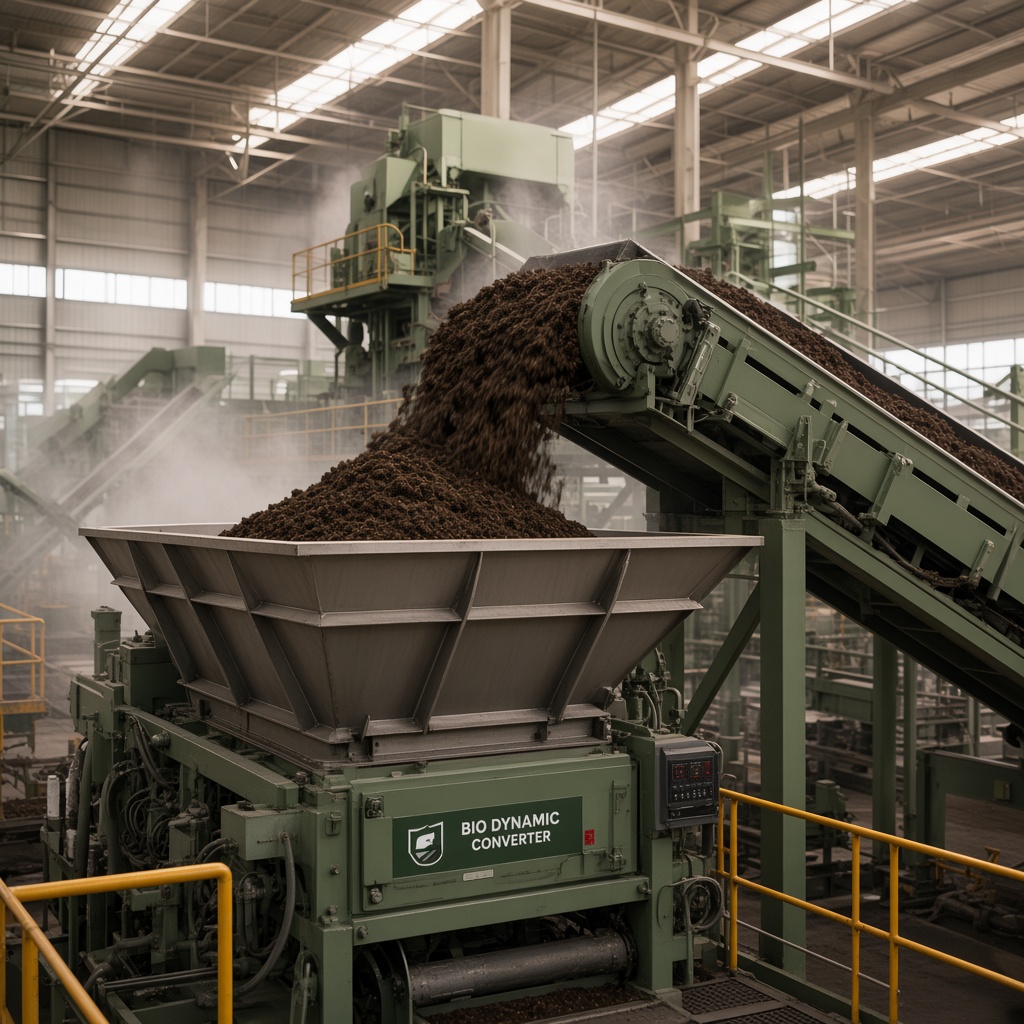
The mix is loaded into the Bio Dynamic Converter.
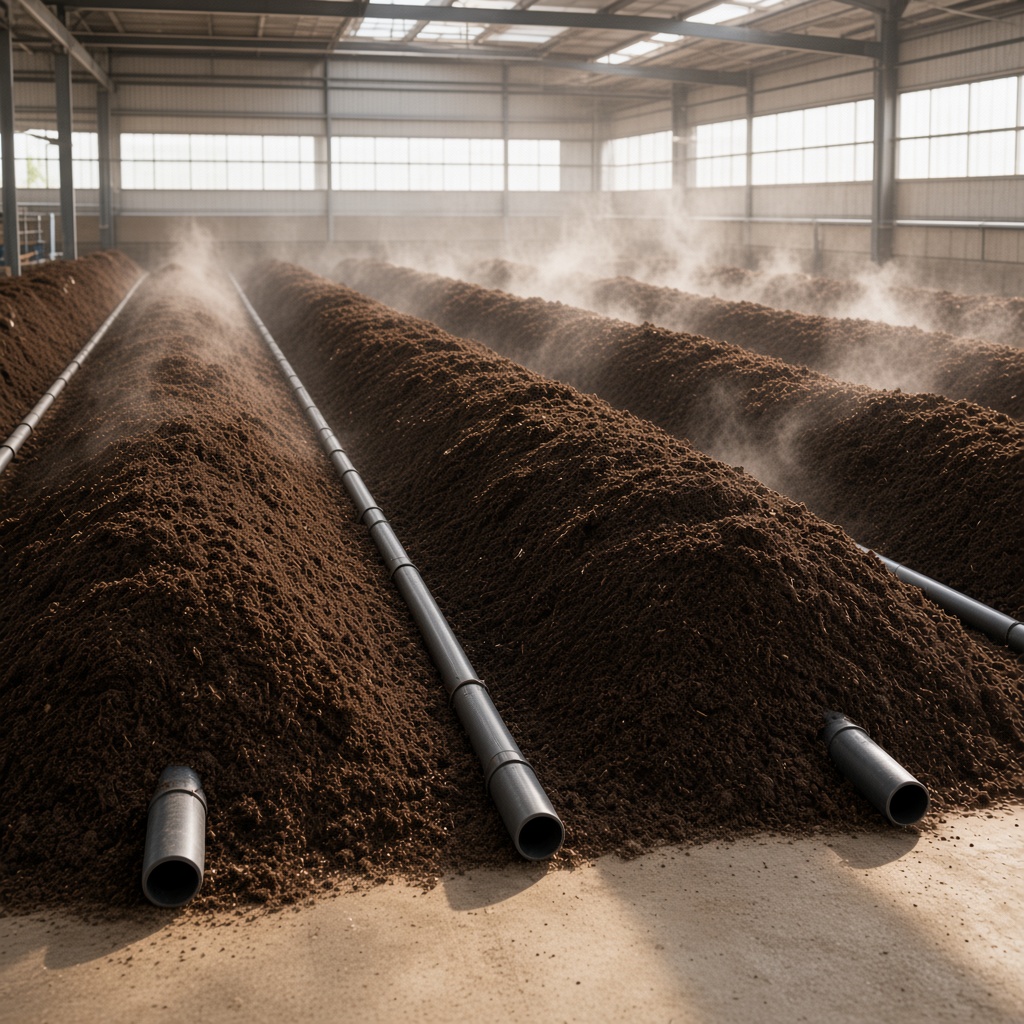
Air and liquid run through it for fourteen days.
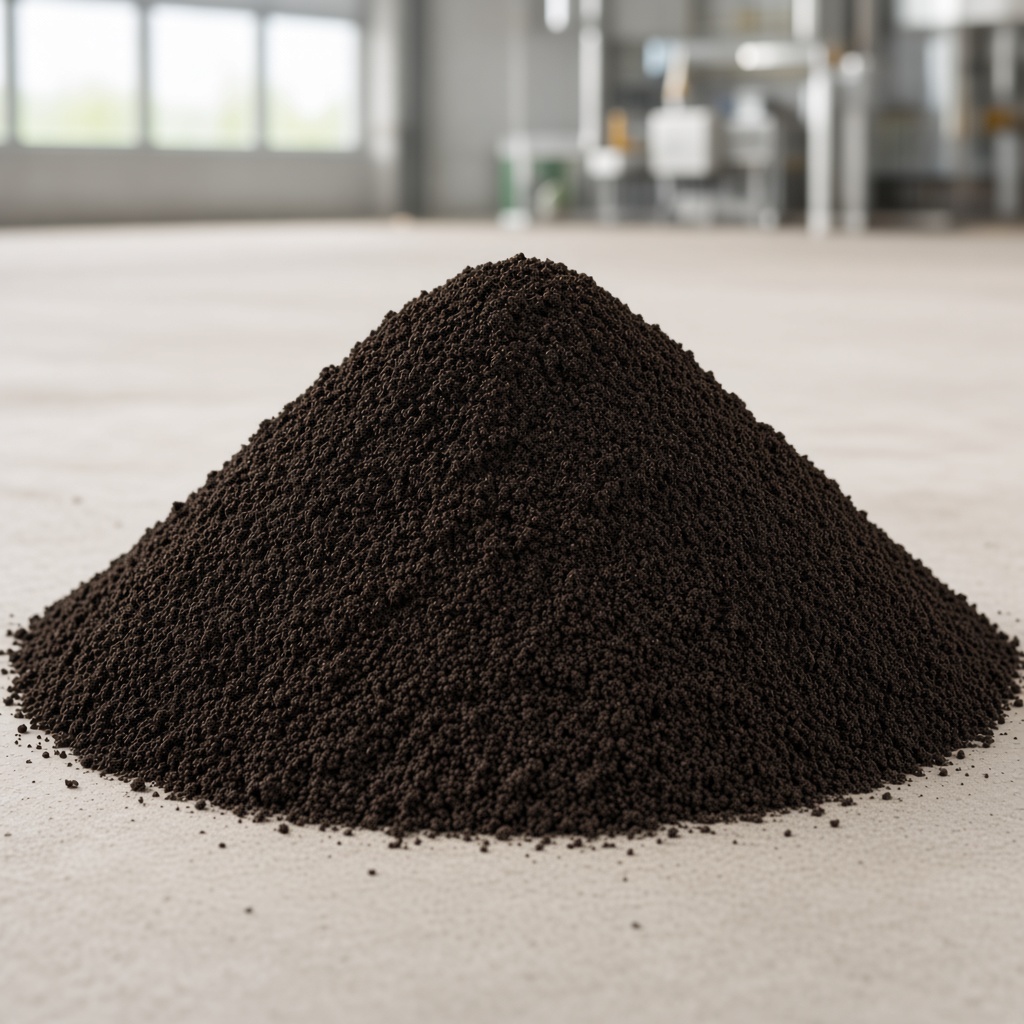
You get a stable, carbon-rich organic manure.
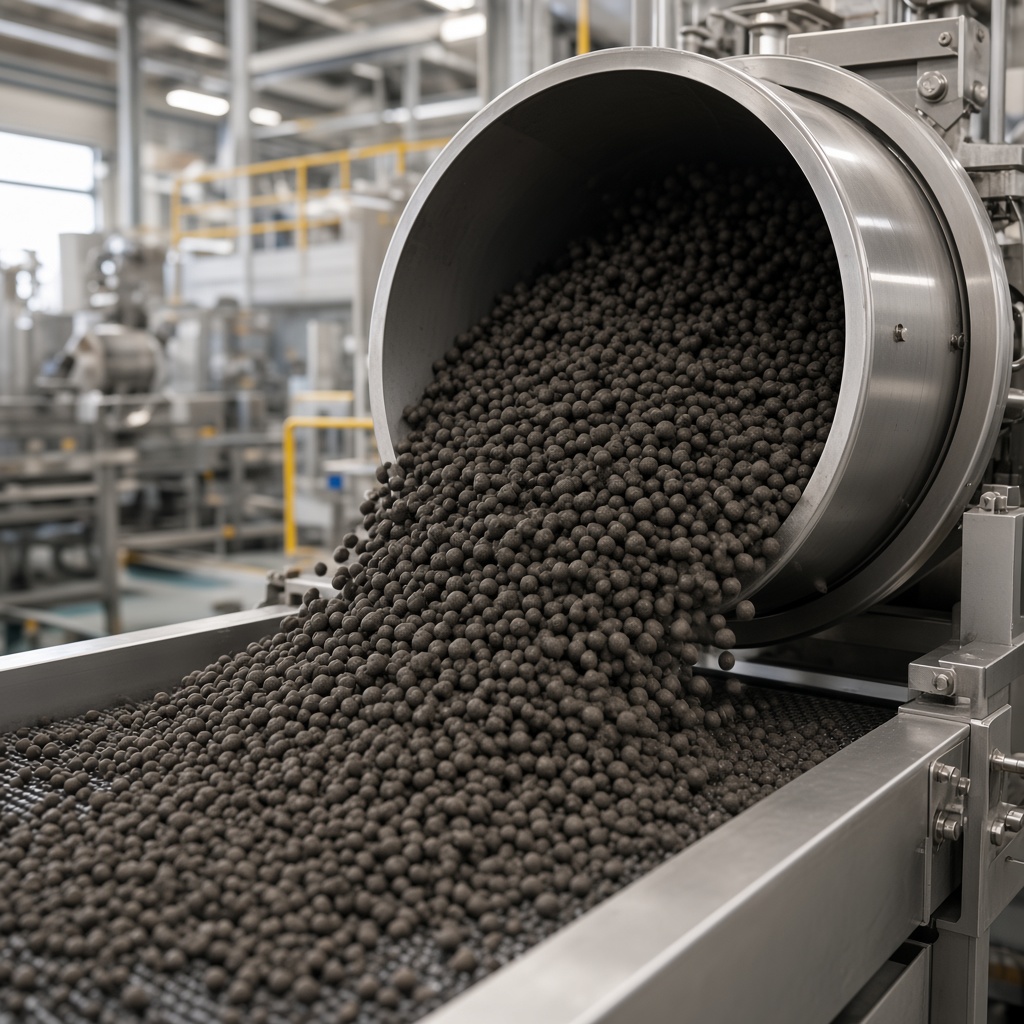
If needed, the manure is made into granules.
Our process
Soil is inspected, dung is inoculated with microbes and enzymes, then converted in the Bio Dynamic Converter. Fourteen days later it is packed as manure for the soil and as a plant enhancer for the crop.
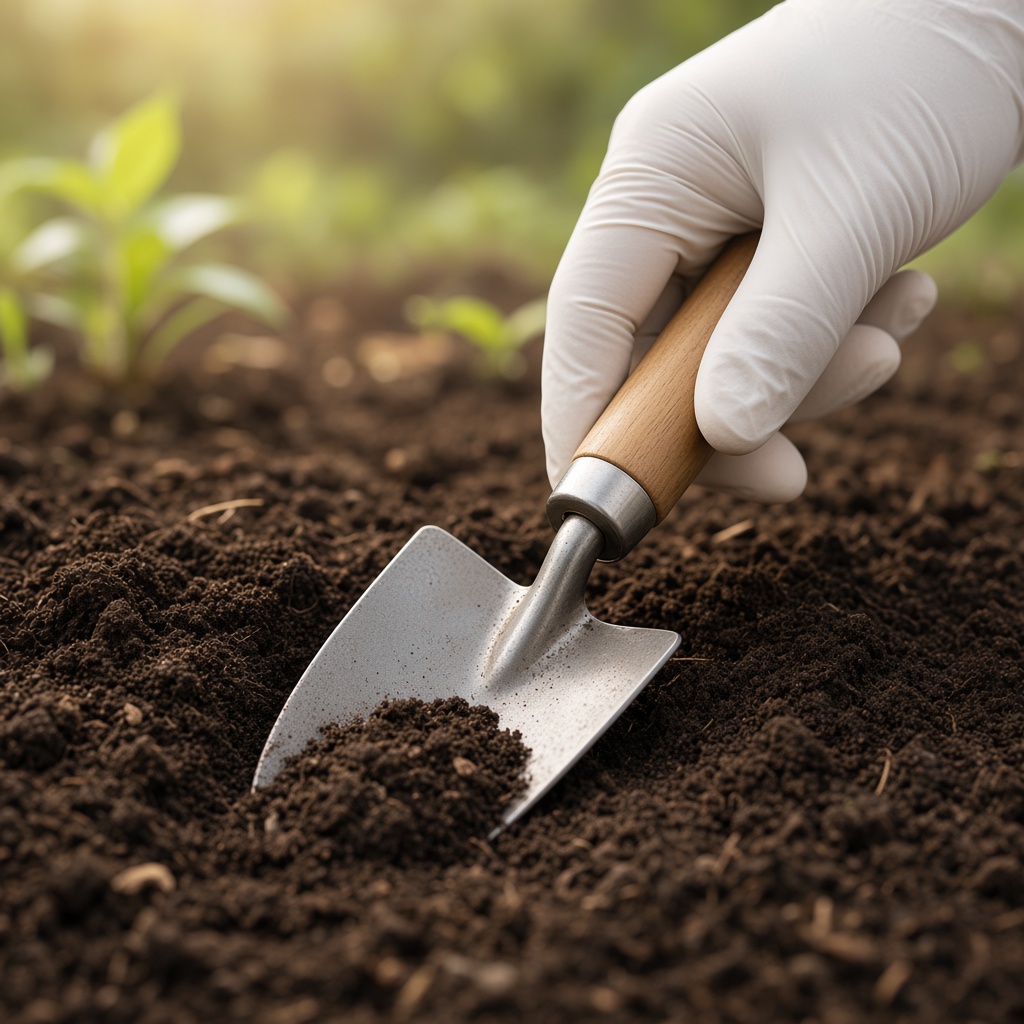
A soil scientist samples the substrate before conversion.
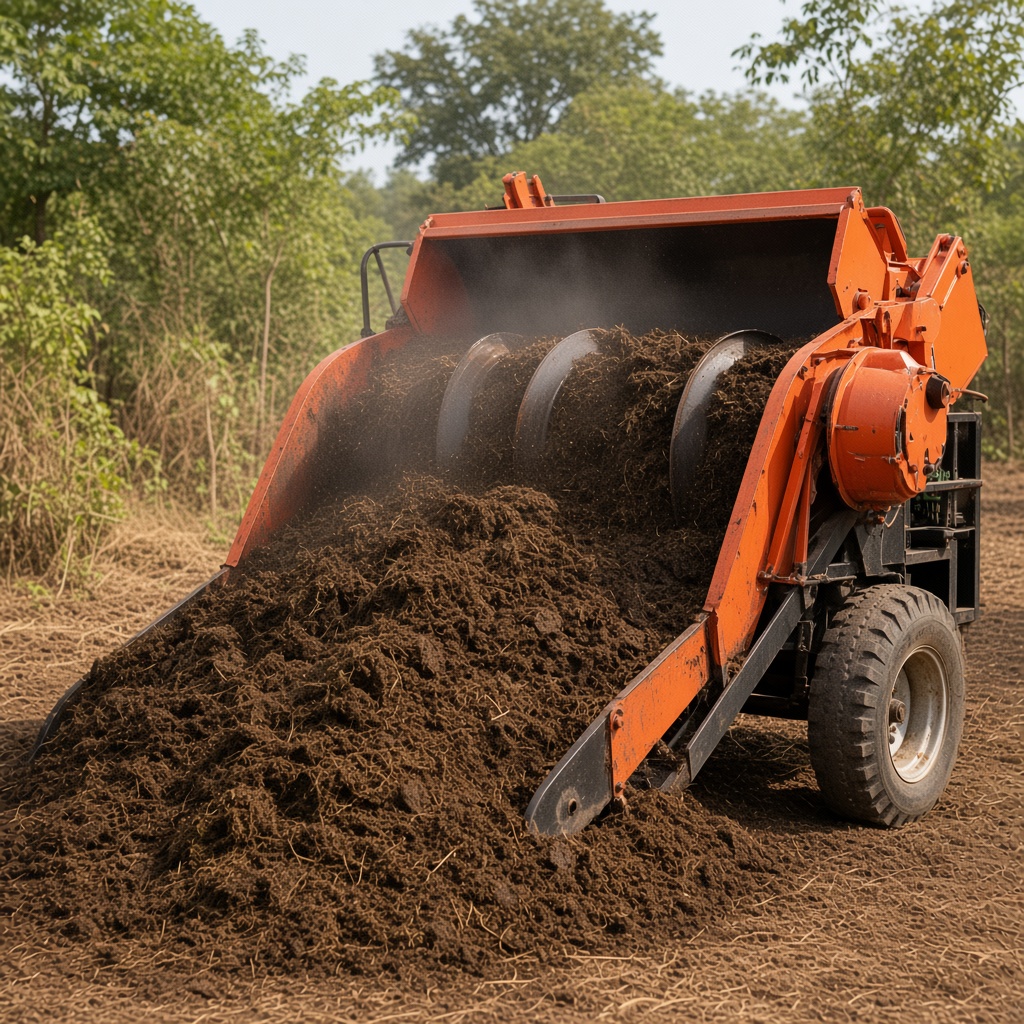
Raw cow dung is mixed with microorganisms and enzymes.
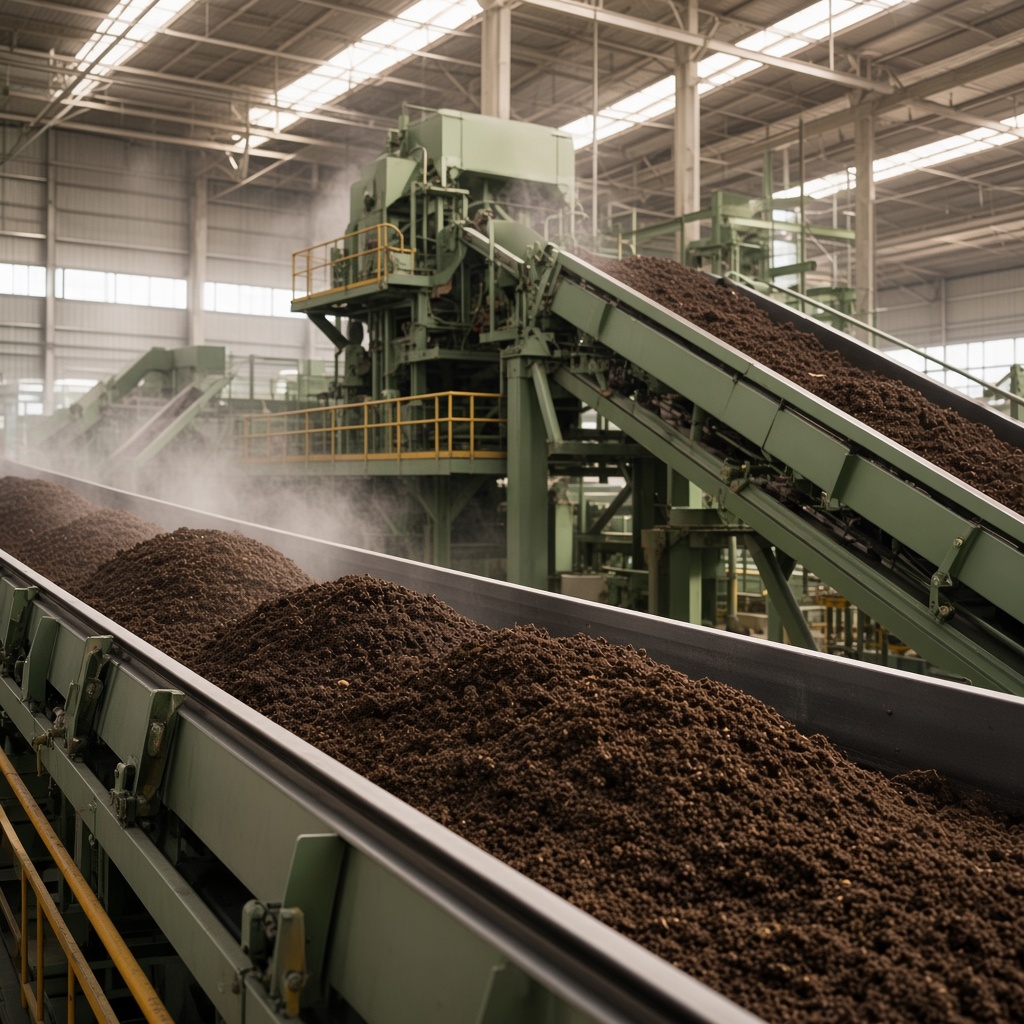
The charged mass is loaded into the BDC plant for a fourteen-day fermentation.
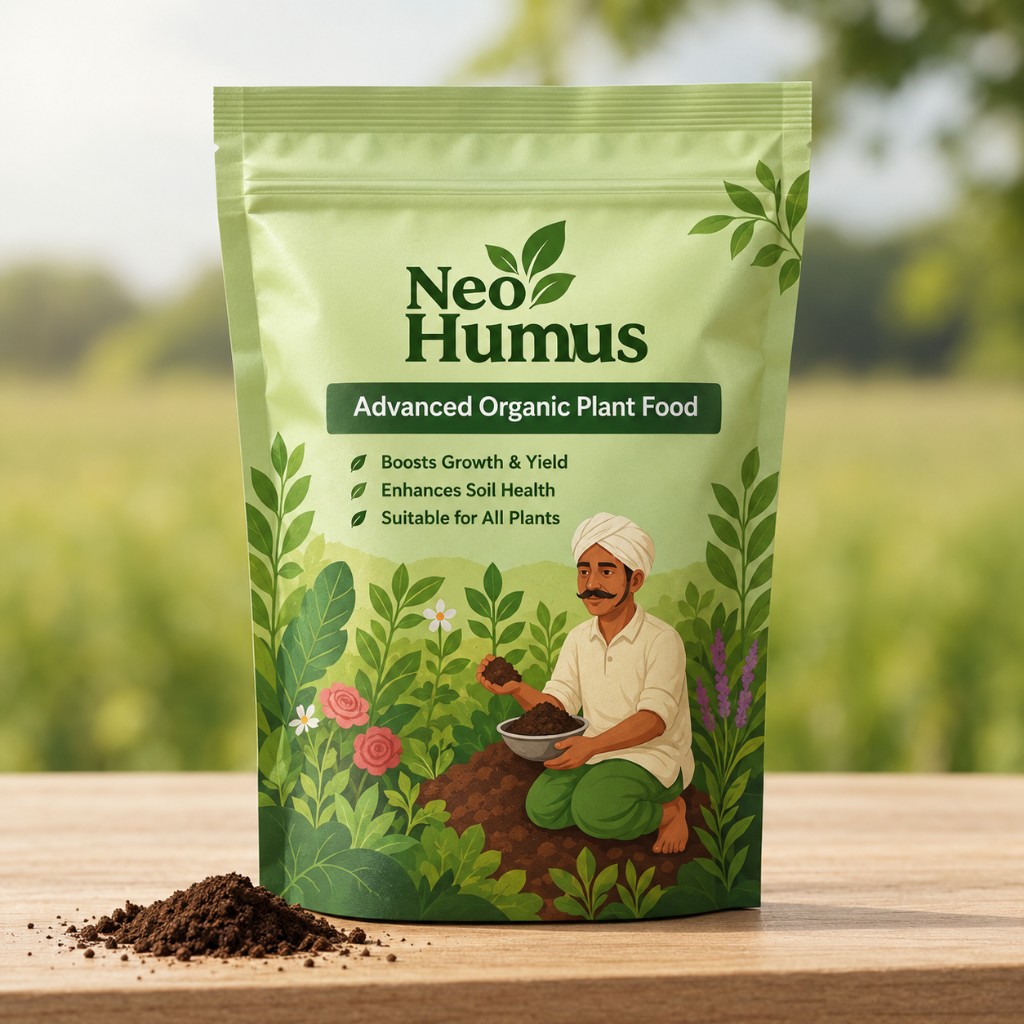
For soil
View specification →
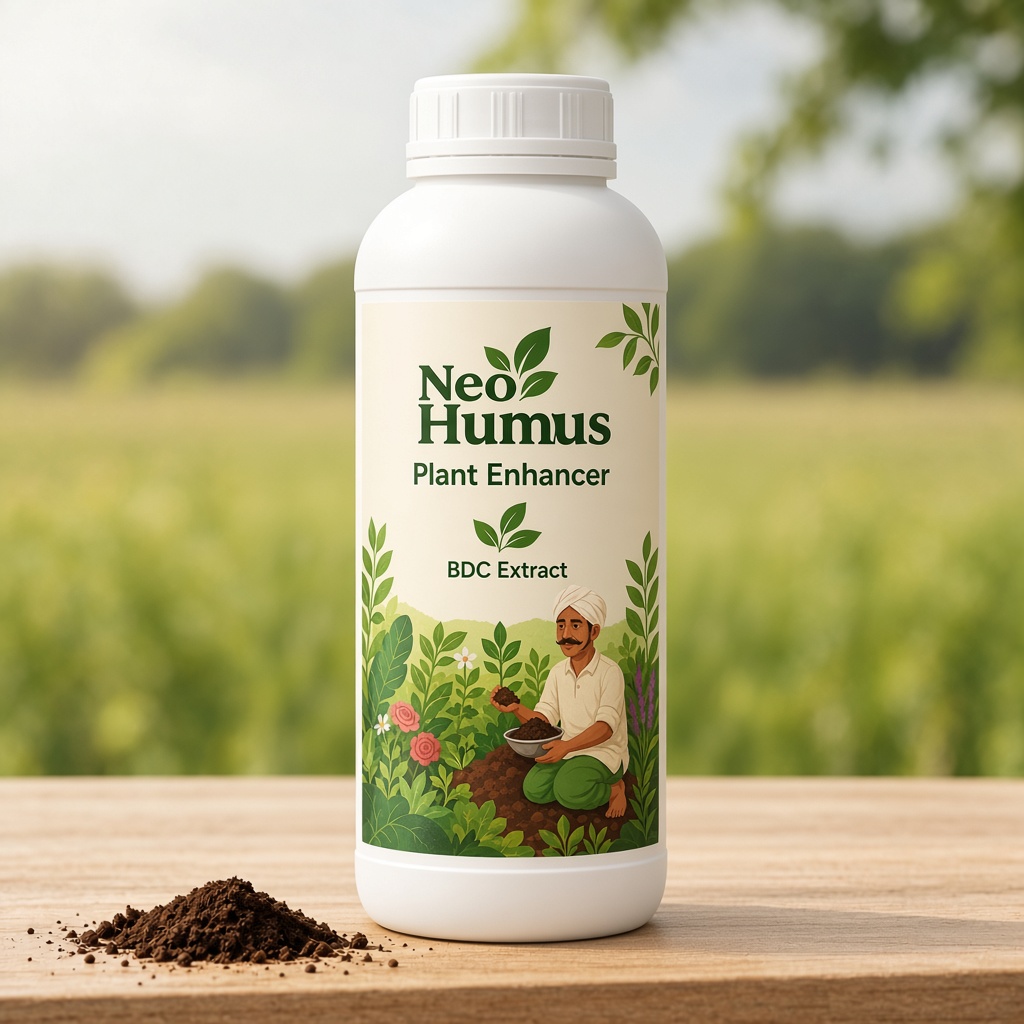
For plants
View specification →
Working with us
Every claim traces to a named laboratory, university or certifying body — not to our own marketing.
Our category is formally recognised under the Fertiliser (Control) Order, Schedule VIII, February 2025.
Validated across tropical, sub-tropical and temperate Himalayan conditions — not a single-region product.
We support baseline and repeat soil analysis commissioned by the buyer, and report results in full.
Associate with us
We want to make this product a revolution in Indian agriculture in the coming months. We are looking for like-minded people who want to associate with us in this journey.